Three communities, one family
01 / The peopleHacienda La Papaya, Yunguilla, and Yacuri are more than three terroirs. Each is rooted in a living culture, where ancestral knowledge and modern agronomy work side by side.
Across the southern Andes, rural life still runs on a tradition older than the Inca: minga, communal labor freely given between neighbors. It still shapes how families plant, harvest, and care for the land.
We treat that inheritance as part of the farm. The varietal integrity, the data, and the cupping all rest on a foundation built long before CafExporto existed.
The communities behind the coffee
02 / Three originsHacienda La Papaya
Our flagship sits in Saraguro, home to one of Ecuador’s most distinctive and best-preserved indigenous cultures.
The Saraguro are believed to be descendants of Inca mitimaes, families relocated here from the south to hold newly conquered land. They are known for their black dress, which many hold is worn in mourning for the lost Inca Empire, and for the collares de mullos (also called chaquira), intricate beadwork necklaces that can take days to make.
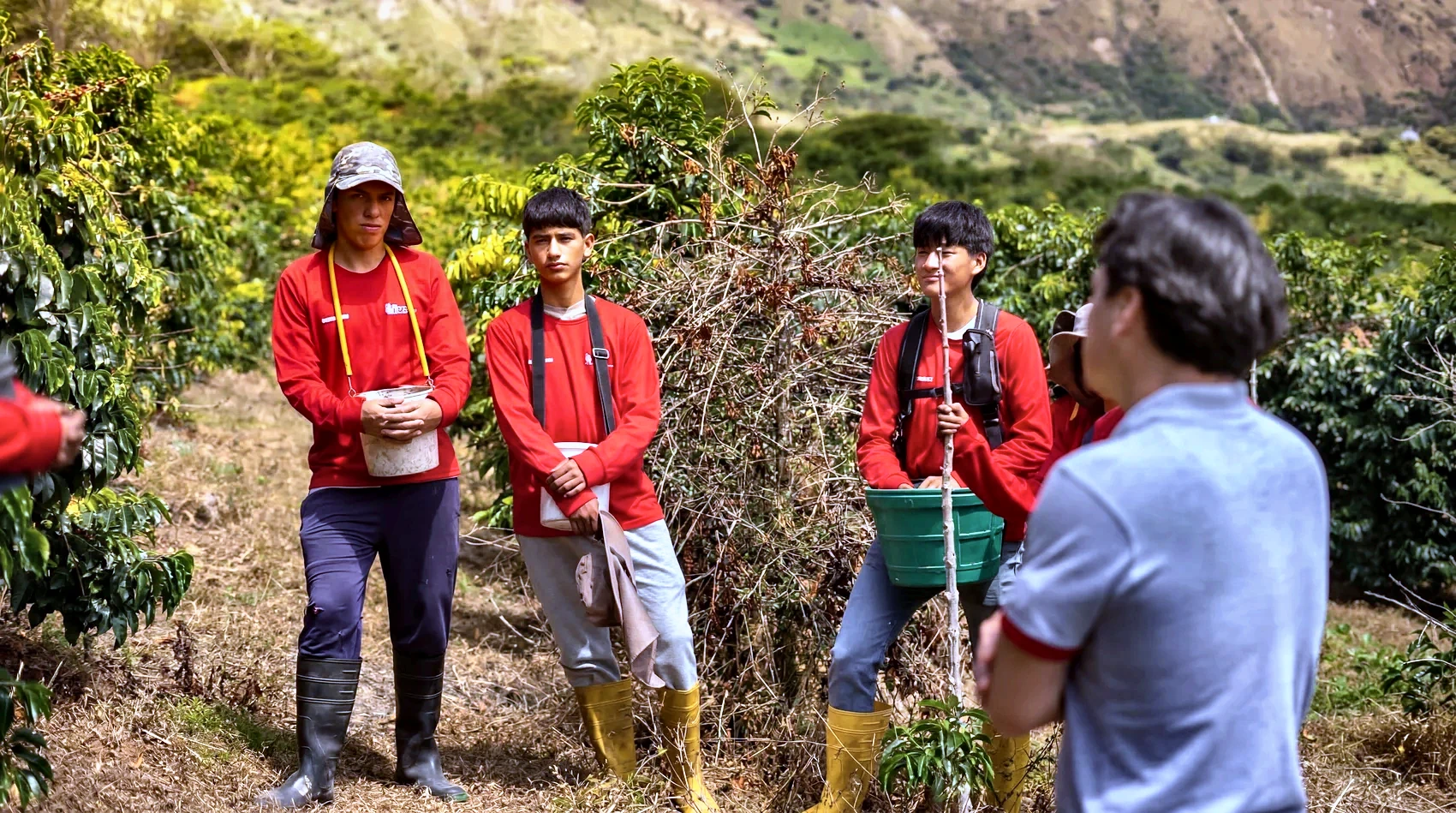
Theirs is a farming culture built on minga, collective labor freely given, and a deep bond with Pachamama, Mother Earth. Today the Saraguro pair that heritage with modern education, becoming teachers, agronomists, and leaders while keeping their identity intact, supported by youth organizations like Mushuk Yuyay.
Visit Hacienda La Papaya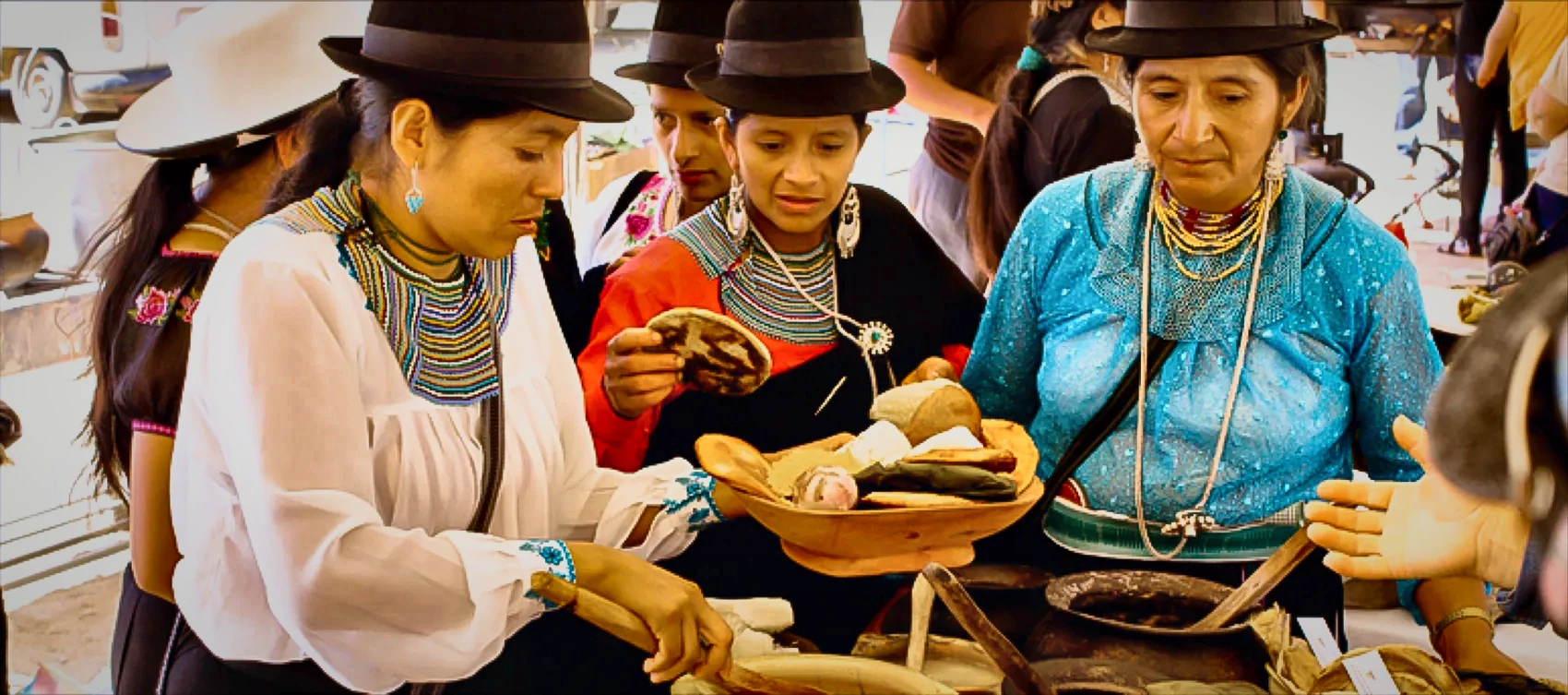
Yunguilla
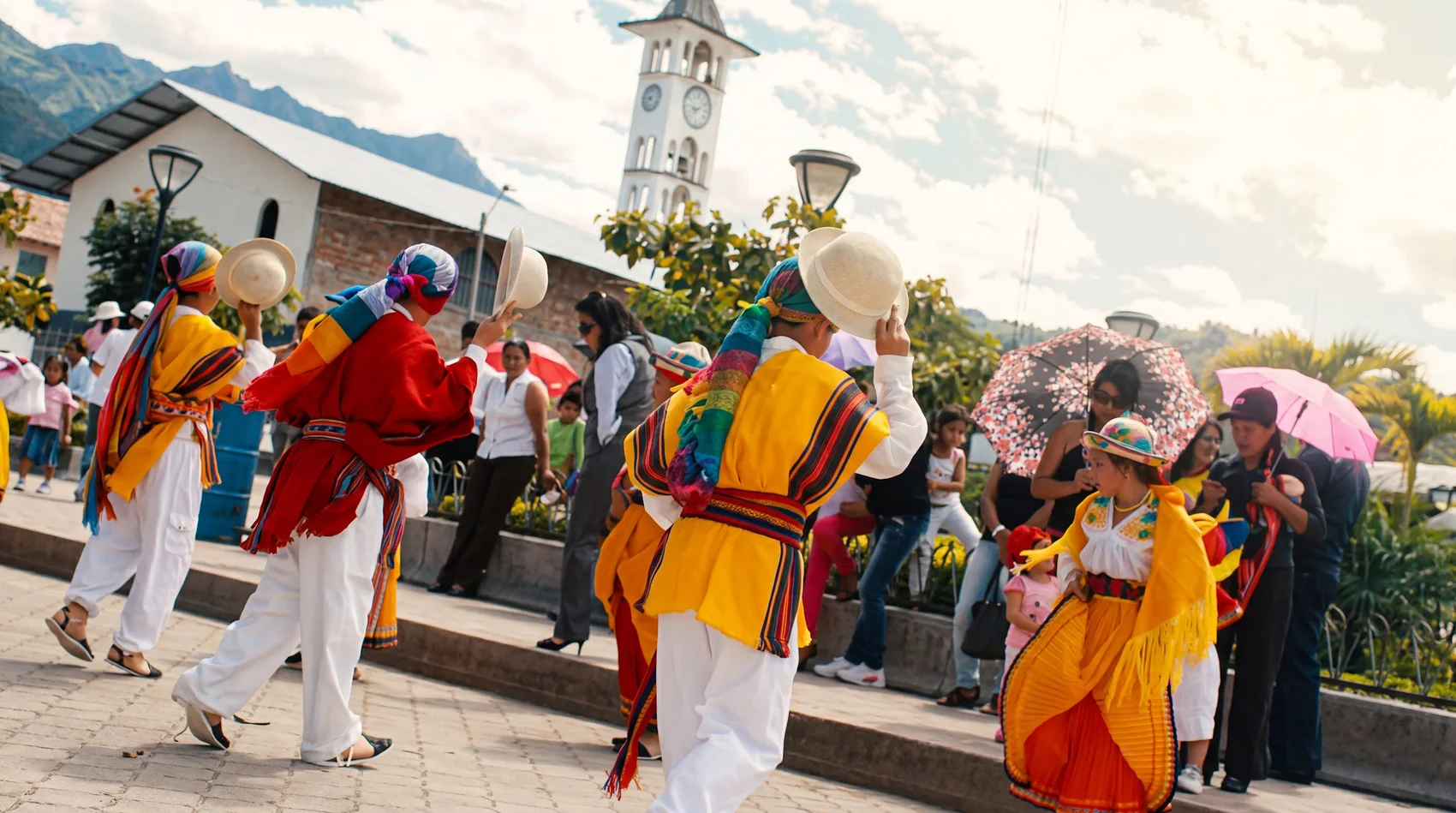
Yunguilla Valley is Cañari ancestral ground, part of what was once Cañaribamba, the valley of the Cañari, long before the Inca arrived.
Cañari farming practice and belief still run underneath daily life here, now thoroughly blended with the mestizo culture that shapes the valley’s food, festivals, and ways of life. It is a fertile basin of mangoes, avocados, passion fruit, and sugarcane, with small-scale growers building a name for clean, high-quality coffee.
Faith here mixes Catholicism with older indigenous practice, and healers still work with plants and the sacred elements of the land. The year turns on celebrations like Inti Raymi and Carnival.
Visit Yunguilla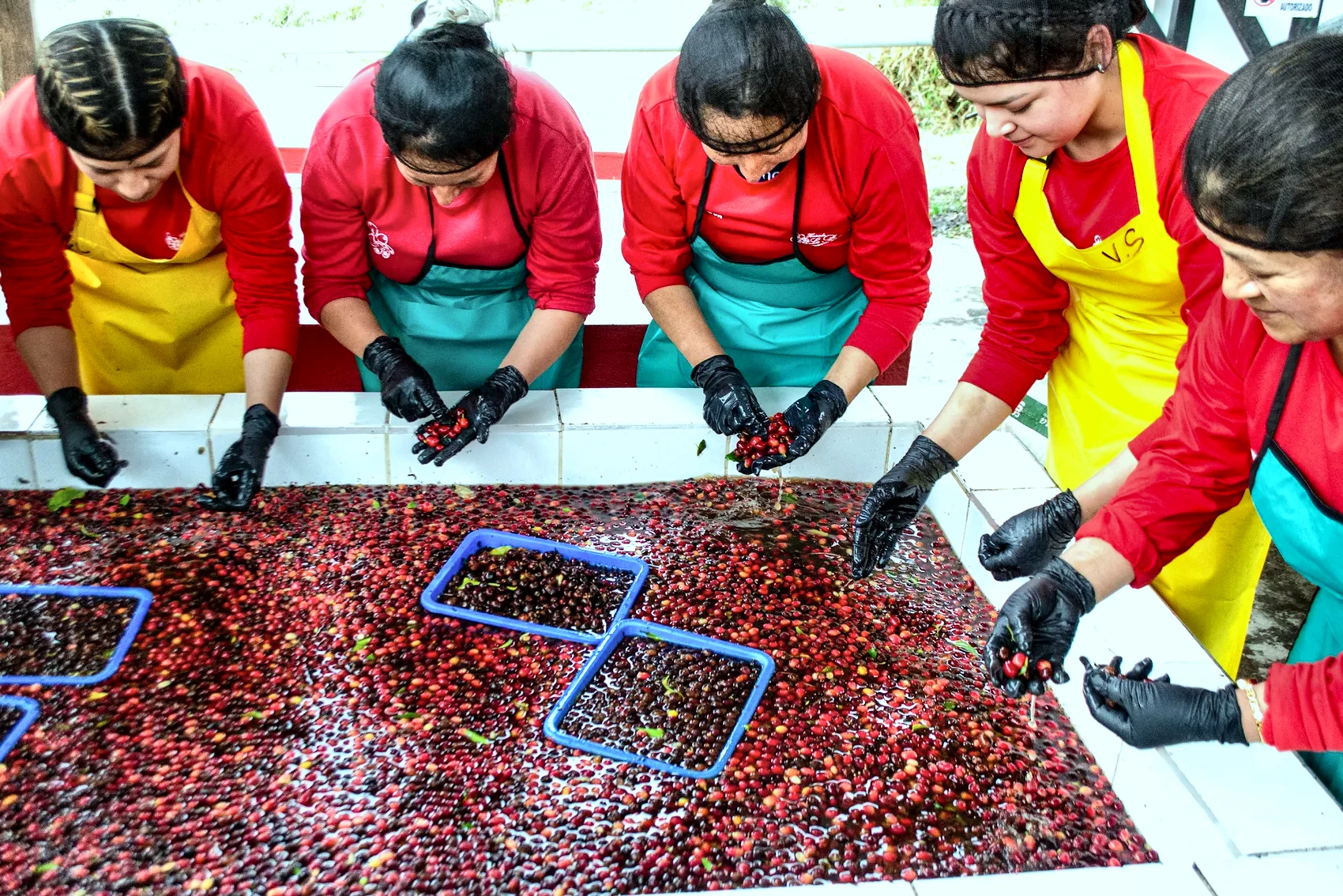
Yacuri
On the Amazon-facing frontier, Yacuri sits on one of the oldest inhabited landscapes in the western Amazon.
The upper Chinchipe basin was home to the Bracamoros, and the highlands above it to the Palta, the pre-Inca people of what is now Loja. Both were Amazonian in origin rather than Andean, which is why this frontier has always faced east. The wider valley belongs to the Mayo-Chinchipe-Maranon cultural landscape, where occupation has been dated to roughly 5,500 BCE, among the oldest known in the western Amazon and now on Ecuador’s UNESCO tentative list.
Inside Yacuri National Park the high lagoons are still visited by local healers, on a landscape crossed by the Inca road and marked with petroglyphs and pre-Columbian burial caves. Today the communities around the farm are largely mestizo, descended from Lojano settlers, and the year turns on celebrations like the Chonta Palm Festival.
Visit Yacuri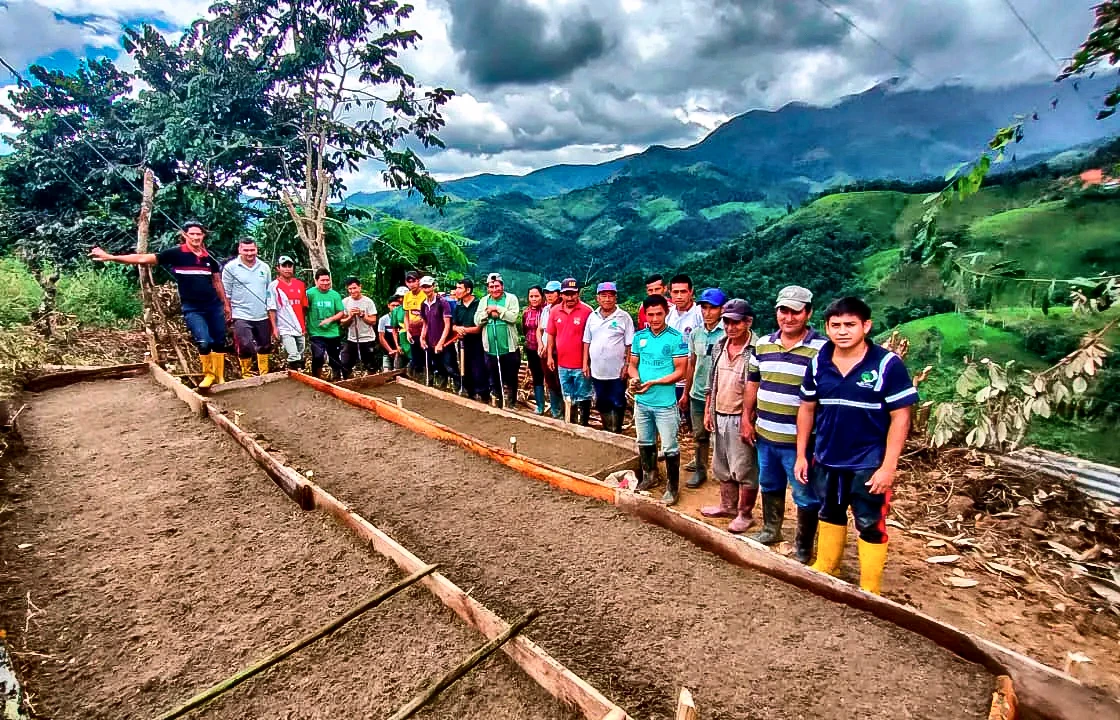
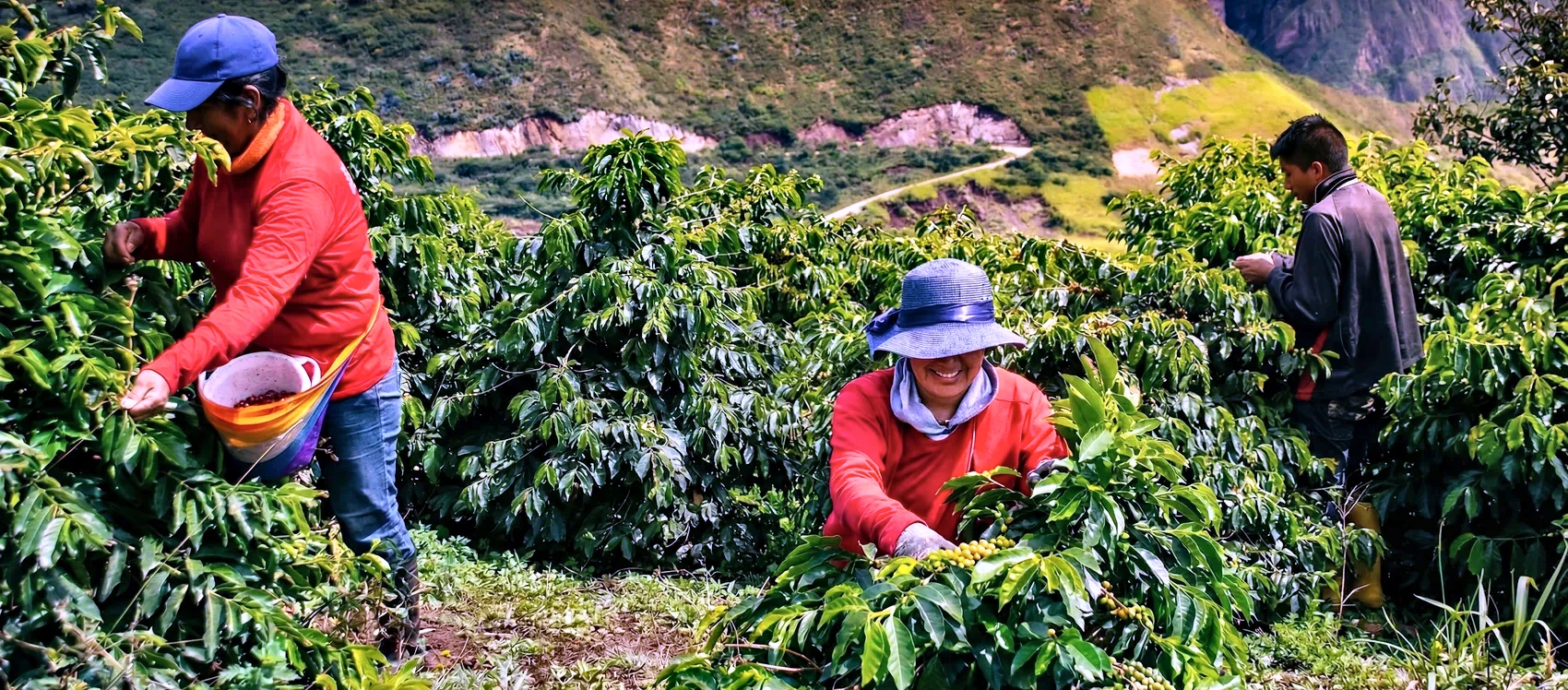
We are not coffee plants. We are something that goes beyond that. We are communities.Juan Peña, Founder
Grown with the community
03 / SociosCoffee here is not grown apart from the community. It is grown by it.
Neighboring producers grow and process through CafExporto on the same system and the same standard. Every kilogram is tracked from farm through every process as if it came from Hacienda La Papaya, with continuous training, top-quality inputs, and final processing at our own mill. It is how a community blend can hold the same cup, case after case.
It changes how the next generation sees the work. Young producers carry the data in their pockets, and their children grow up proud of it, not as farmers of a field, but as part of something built to last. Responsible, precise agriculture means more from less land, with fewer chemicals, passed on.
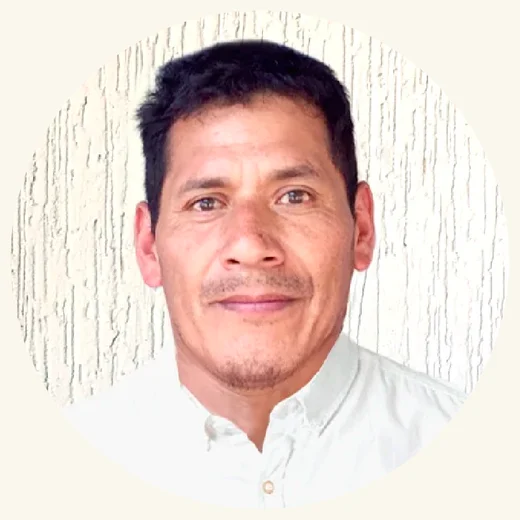
Segundo Cartuche
Farm managerKnowledge is the crop we plant next.
“World-class coffee begins with thriving communities.” The Foundation invests in the people who grow it, agribusiness training for the next generation of producers and stronger rural schools, so that knowledge returns to lift each community.