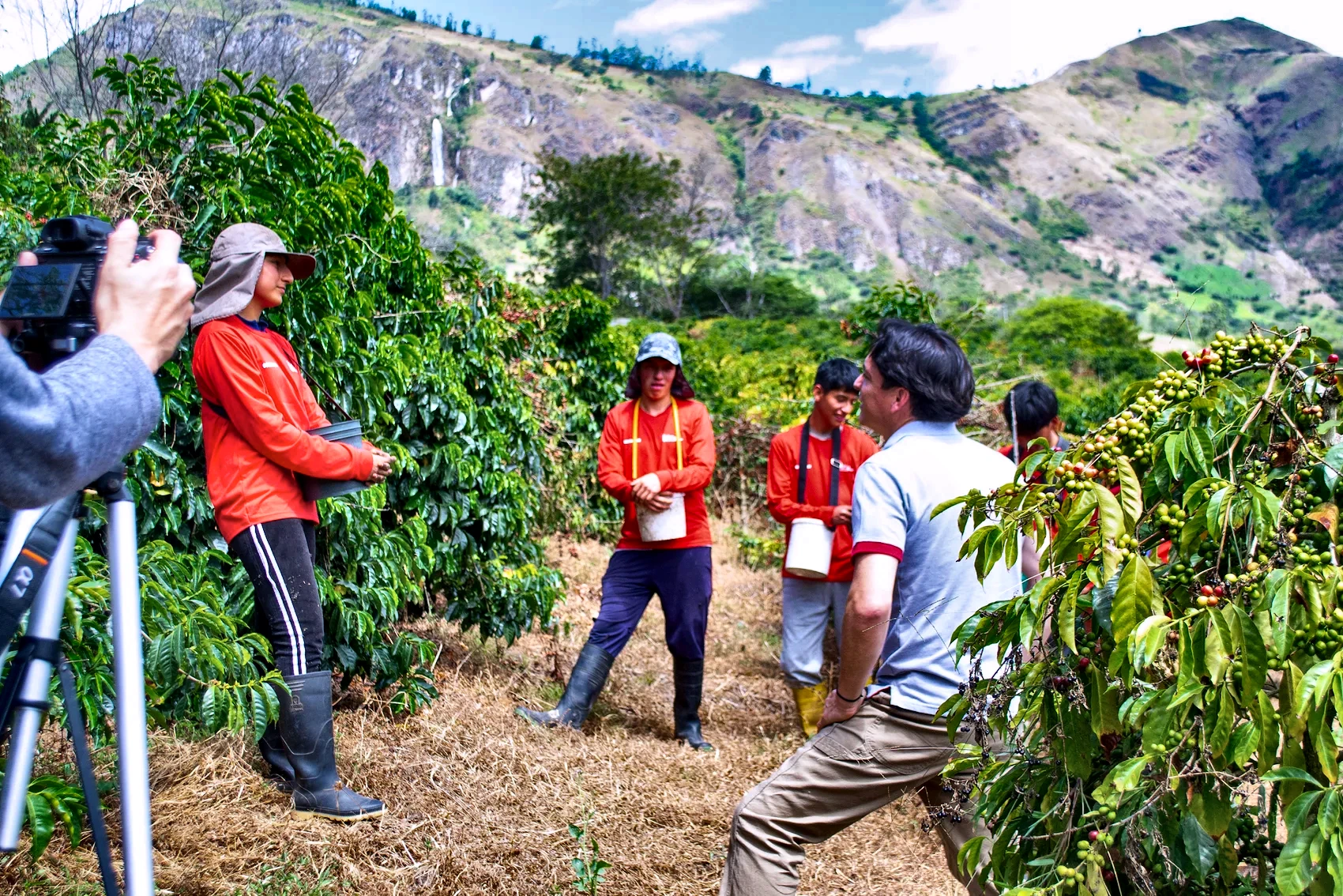
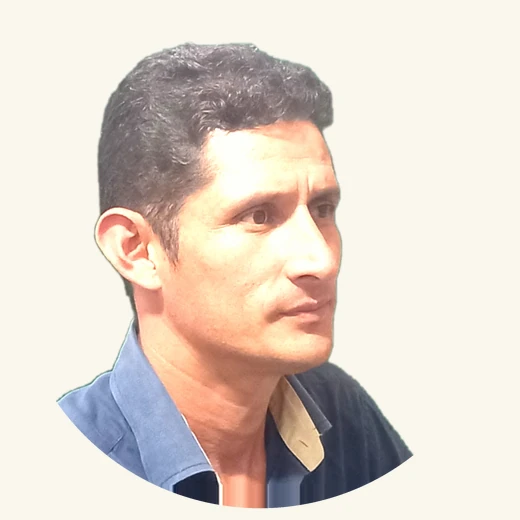
Juan Peña teaching young producers in the field
Foundation

The most valuable crop we can plant is knowledge.

Unlike its coffee-growing neighbors, Ecuador has neither an established coffee culture nor an industry to lean on. In the communities where we grow, that leaves the young with little hope for the future. The CafExporto Foundation exists to change that.

Why the Foundation exists

01 / The mission

Rural Ecuador faces two linked gaps, and coffee country sits right where they meet.

Unlike other coffee nations, Ecuador has no cohesive, government-backed coffee development program, so producers often work with little technical support and real economic vulnerability.

And rural education is thin: many children still learn in single-room schools, one teacher to a whole classroom, with minimal supplies. Close the knowledge gap and you lift both the coffee and the community around it.

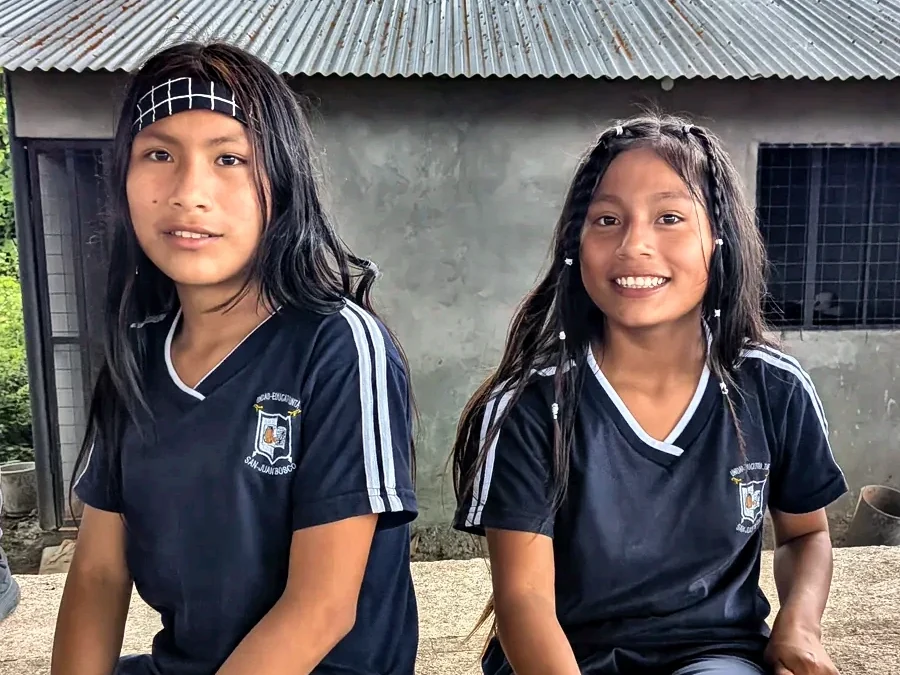
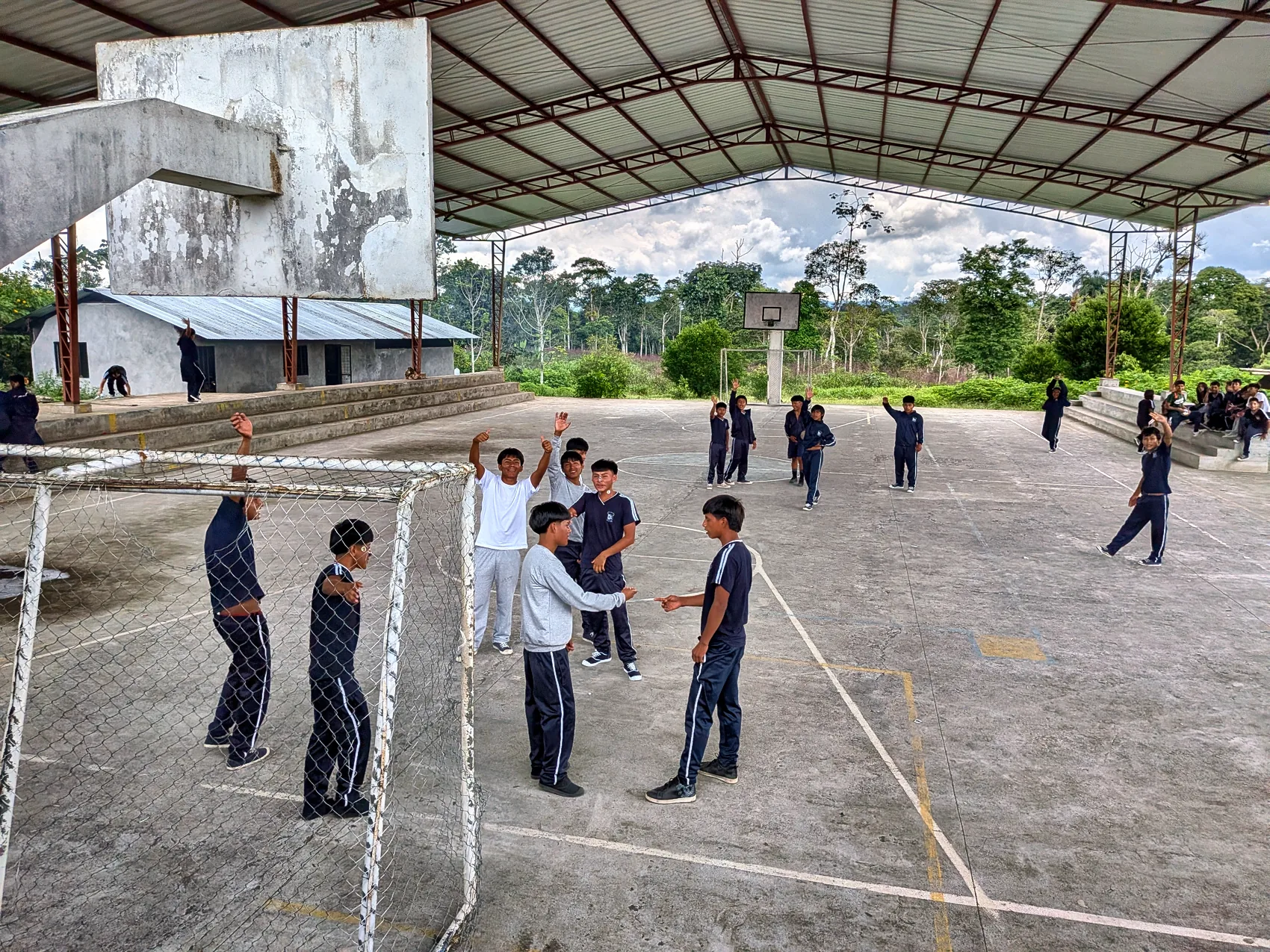
Two students outside their rural community school in southern Ecuador
Students at a rural community school we invest in.

Two pillars

02 / How we invest
01

Classrooms

Better schools for grades K through 12.

We bring technology and a stronger educational process to the community schools our producers grow up in, places that once went without books, pencils, and paper. It is the groundwork that lets the next generation choose to stay.
02

Agriculture

The next generation of producers.

We sponsor promising students through agribusiness degrees and train them at the farms on the same PULSE technology that runs them, so they return as Knowledge Ambassadors who raise the standard across their own communities.

Students at their rural school in the coffee-growing communities of southern Ecuador
The long game
We reinvest in the people behind the coffee, and in the children who will grow it next.
The CafExporto Foundation

The first ambassadors

03 / Where it starts

The Foundation's first two ambassadors are studying agribusiness at the University of Loja.

Cosmel Merino and Janela Cartuche train at Hacienda La Papaya and Yacuri alongside Juan Peña, learning the same PULSE sensor technology that runs the farms.

They graduate as Knowledge Ambassadors, returning to their communities to train others and raise agricultural standards across rural Ecuador, one student, one farmer, one family at a time.

CM Cosmel MerinoKnowledge Ambassador · Agribusiness, University of Loja
JC Janela CartucheKnowledge Ambassador · Agribusiness, University of Loja

Where this is heading

04 / The long view

From two students to a connected classroom.

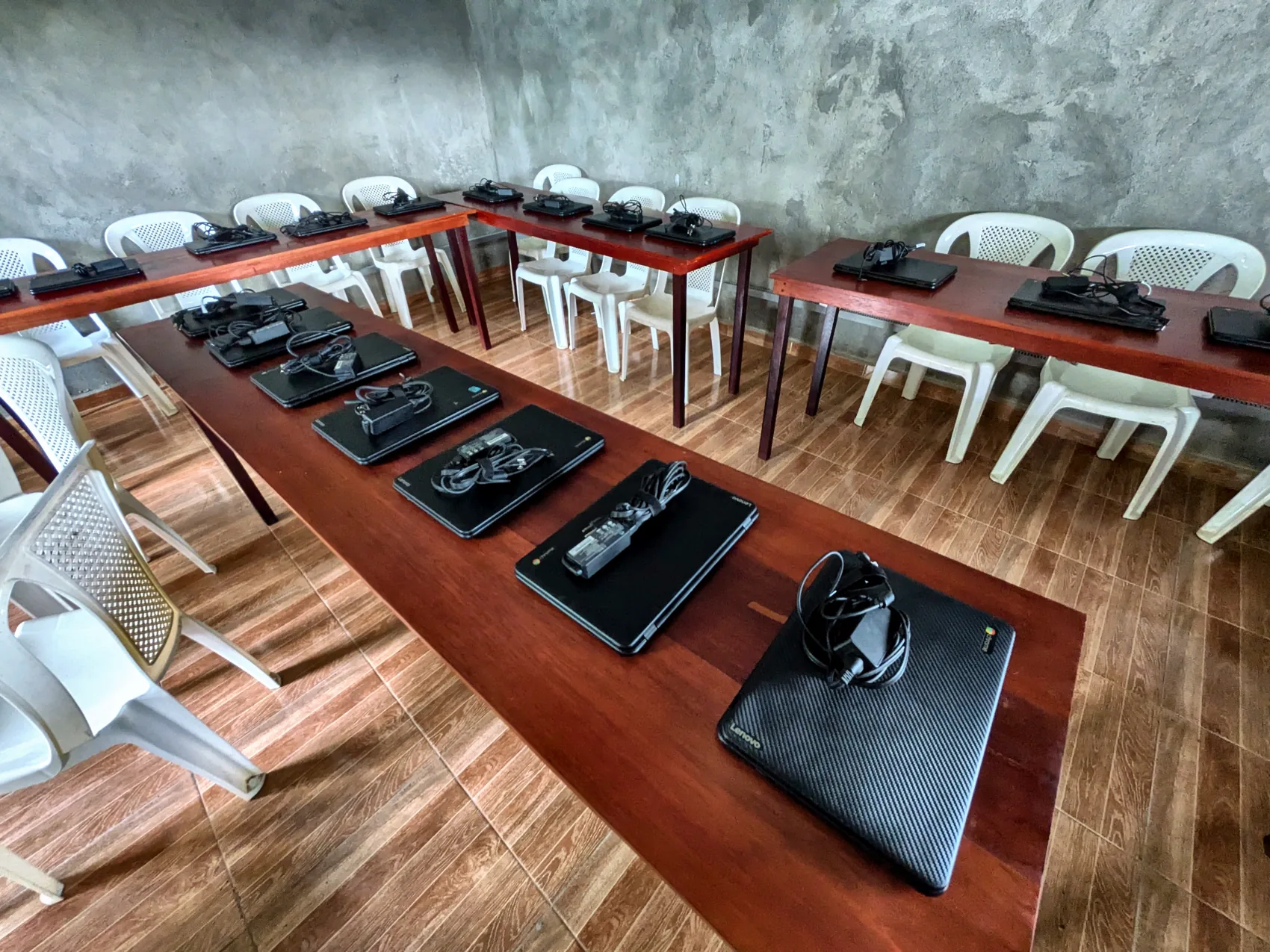
The next step is the rural schools themselves: connected classrooms with Wi-Fi and laptops modelled on the RACHEL project, and modern remote learning brought to the multi-grade rooms that have gone without.

We measure progress not only in cup scores and prices, but in the resilience of the families and the land they steward, and in the children who grow up proud to carry the work forward.

Rows of laptops laid out in a newly connected rural classroom
Laptops ready for students in a community classroom.

Taste what reinvestment tastes like.

Reserve samples →