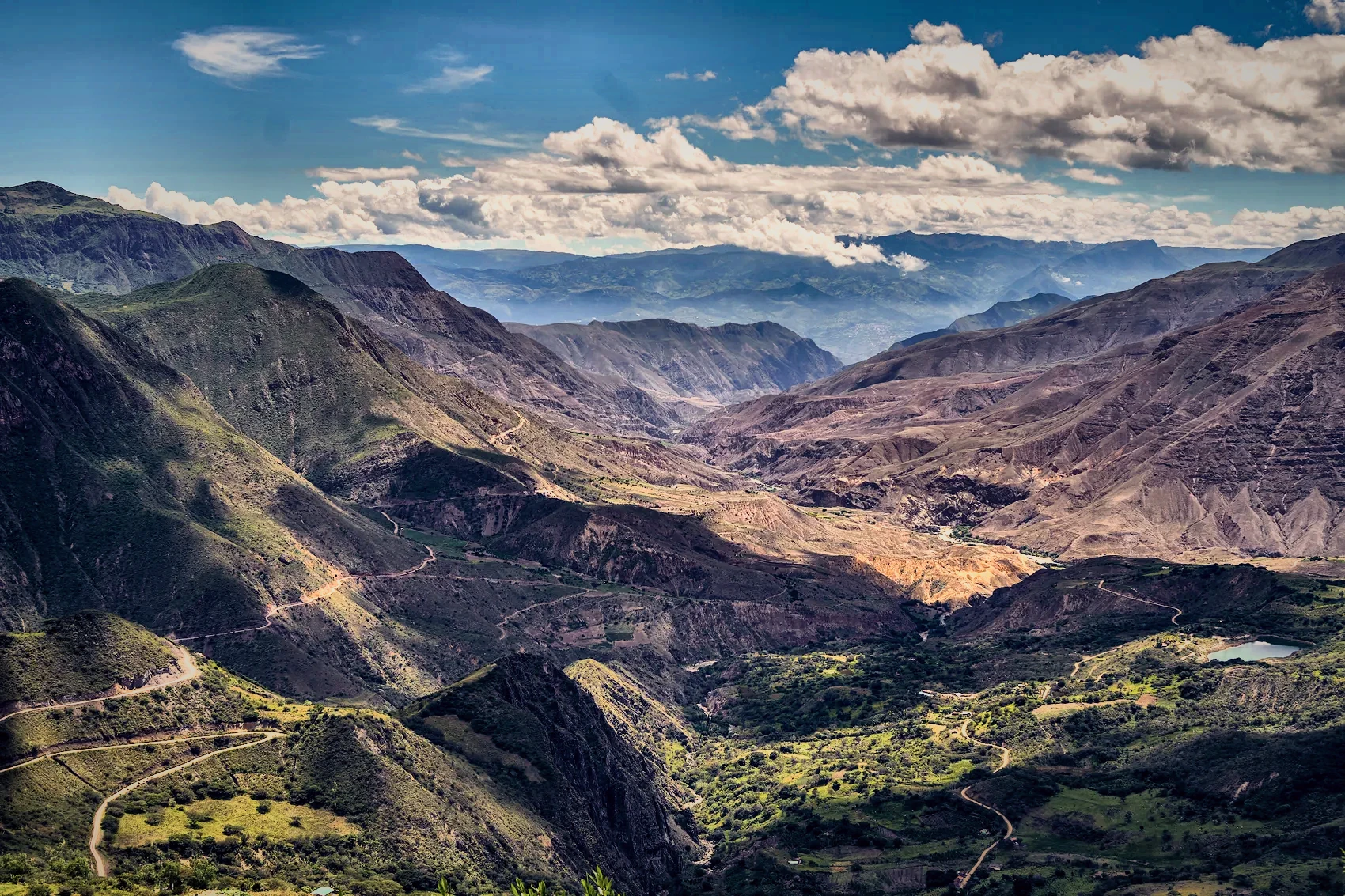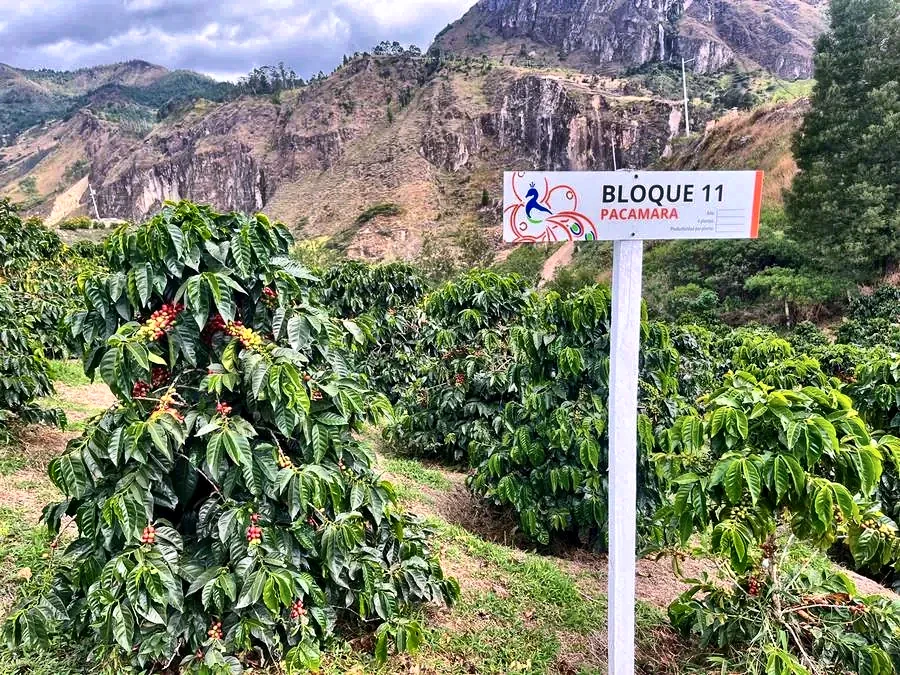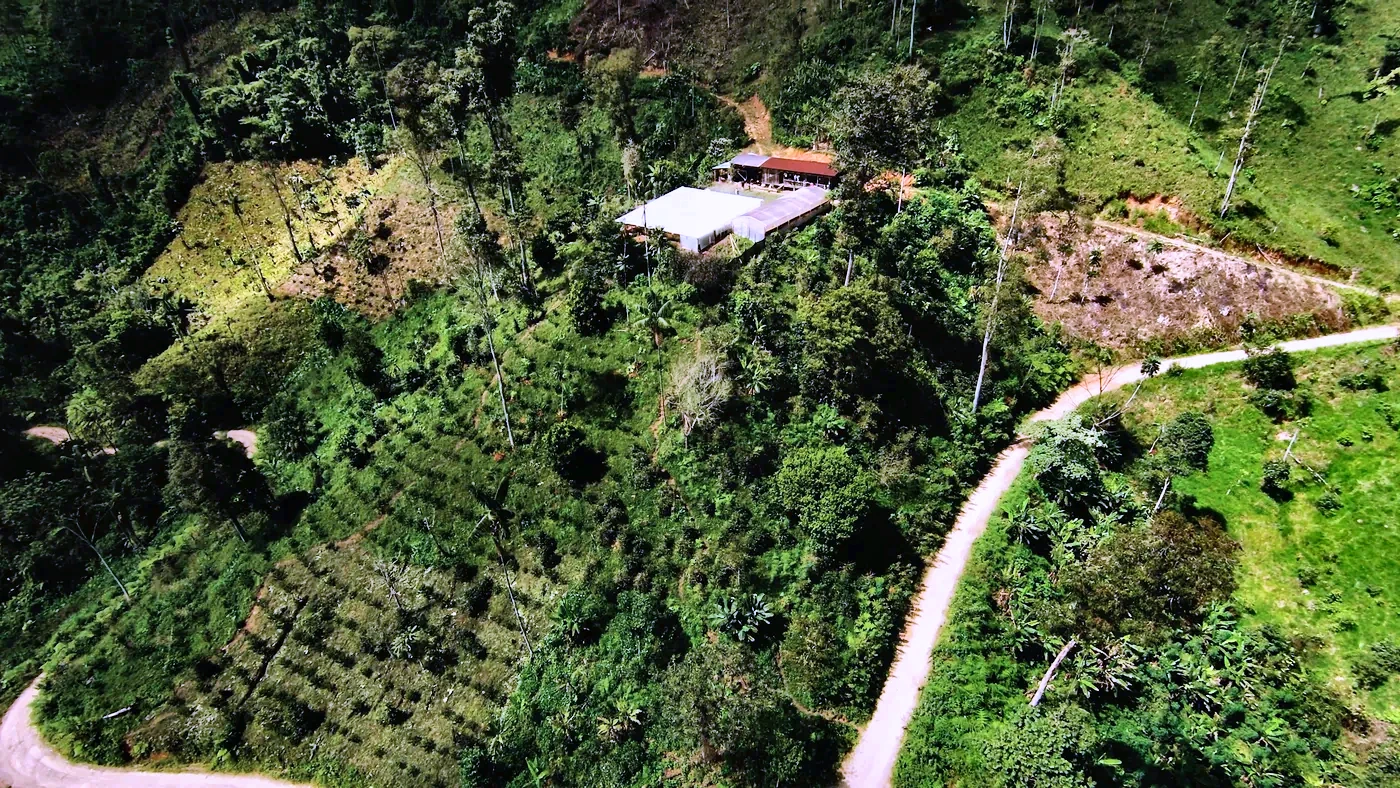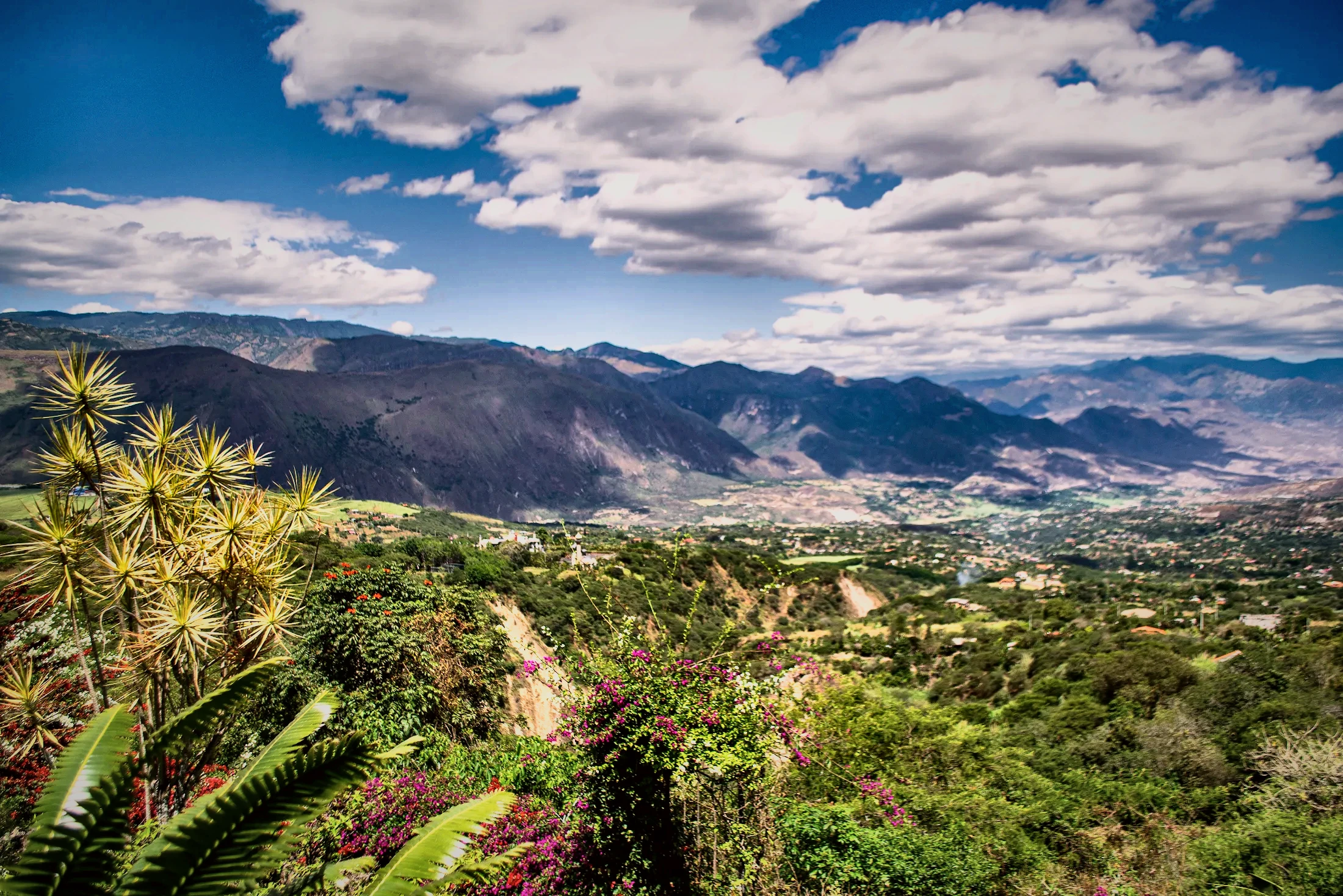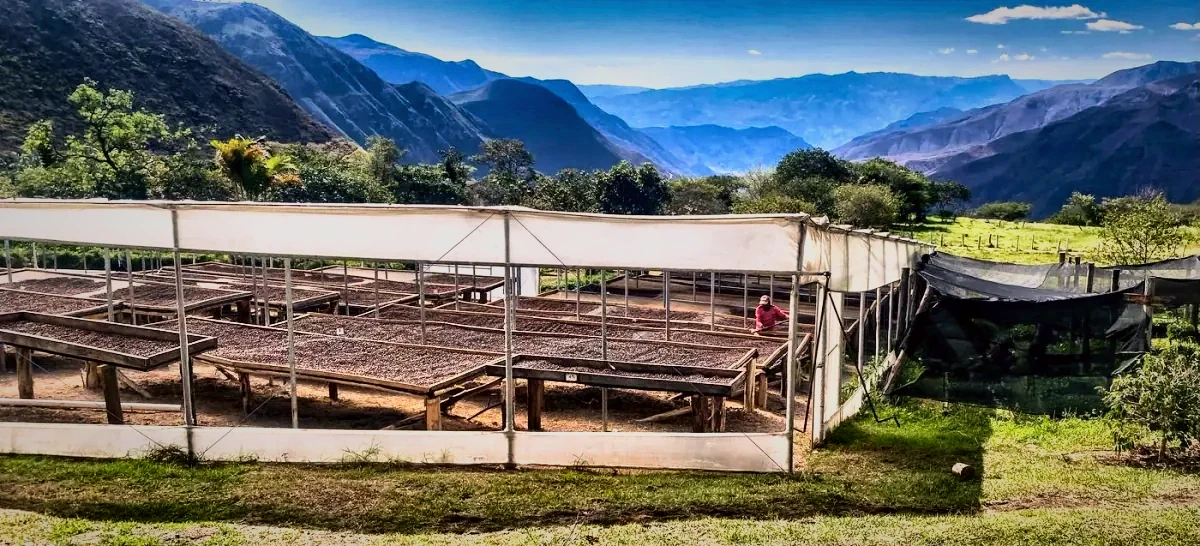
The estate where it all begins: home to the Genetic Bank and the precision agronomy behind every lot. A dry tropical highland where altitude does the work.
At 1,800 to 2,200 metres the day-to-night temperature swing is sharp and the equatorial sun holds twelve hours year-round. Cherries mature slowly, so sugars and aromatic compounds build to concentrations lower elevations cannot reach.
The dry climate lets Juan dial quality through controlled irrigation, and the volcanic clay-loam soils give a mineral spine. The result is clarity: clean, structured, tropically sweet.
The line is one day. Warm days build sugar; cold nights slow the plant so it keeps it. The wider this swing, the sweeter and denser the cup.

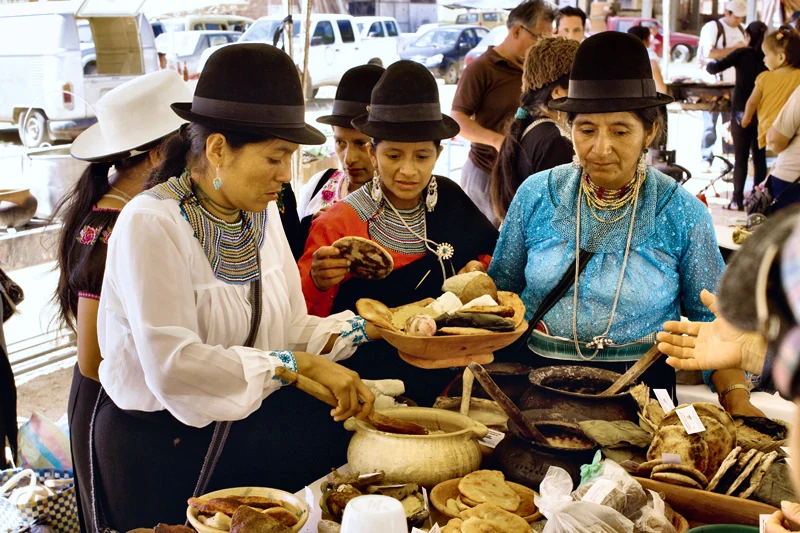
La Papaya sits in Saraguro country, home to descendants of Inca mitimaes relocated here centuries ago and still among Ecuador's most distinct indigenous cultures.
Coffee here is still worked through the minga, the Andean tradition of communal labor, on land long measured in the ancestral tupu. That continuity of care is part of what the cup carries.
Every farm grows from first-generation Genetic Bank seed under Juan Peña. Milling and cupping happen later, at the Cuenca dry mill, not on the farm.
Every tree traces to a mother plant in the Genetic Bank.
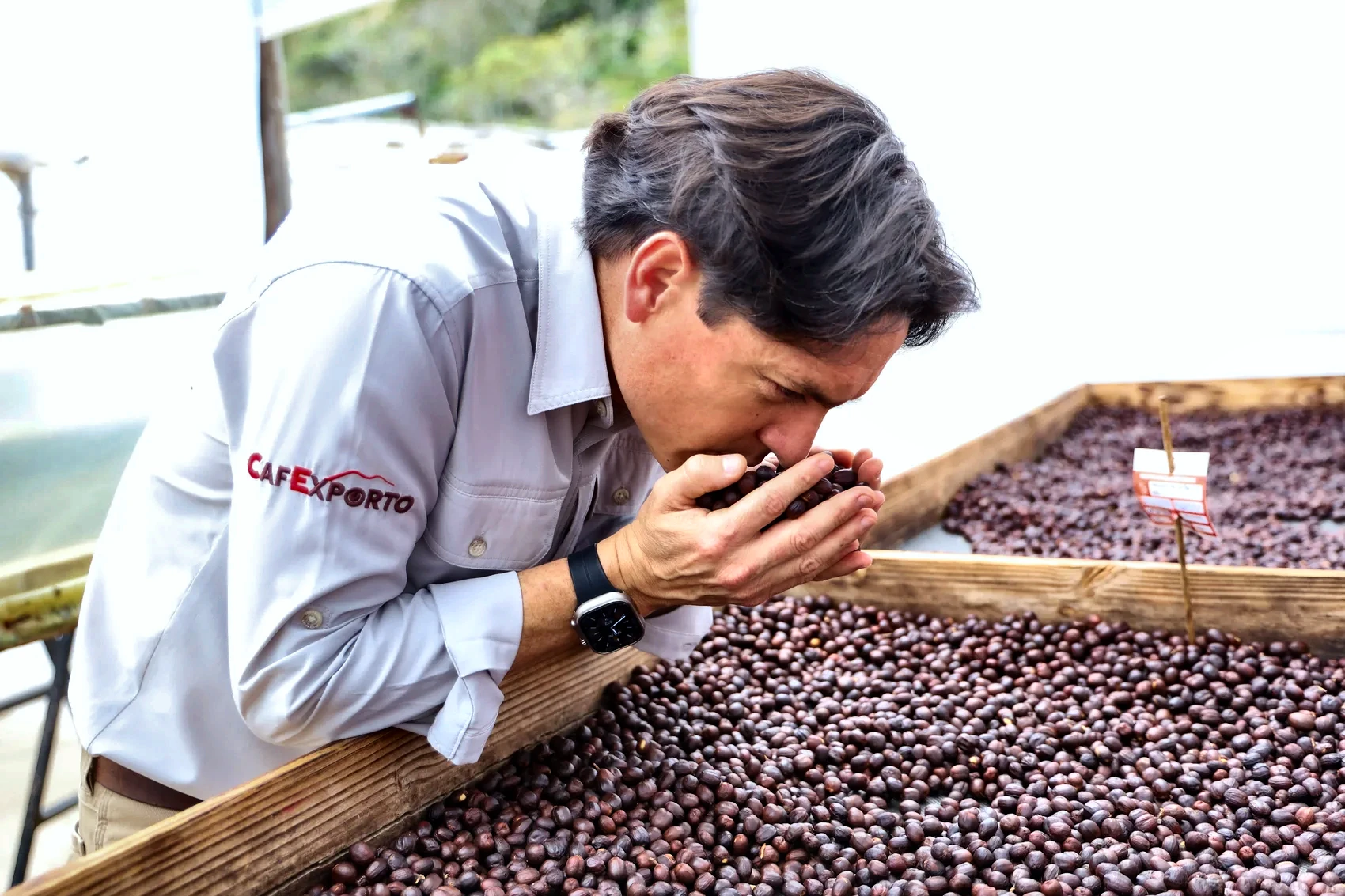
Soil, plant health, and drying read in real time, lot by lot.
Grown, processed, and cupped under one standard.
Finished, sorted, and cupped at the dry mill, not on the farm.
Jasmine, Bergamot, Citrus, Black tea, Silky
Floral, Jasmine, Tropical fruit, Citric, Panela sweetness
Floral, Tropical fruit, Layered, Flowers and cocoa